What this part really tests
You're shown three photos on a shared theme and asked to compare two of them, then answer a question — about a minute of uninterrupted speech. The step up from B2 is what you do with the comparison: C1 examiners want speculation about implications and meaning, not just what's visibly happening.
The examiner's method
- Briefly acknowledge all three photos, then focus your actual comparison on two — don't try to describe all three equally.
- Compare and contrast with C1-level linking language (whereas, in contrast, one notable difference is, similarly).
- Speculate about deeper implications, not just surface feelings — what does each scene suggest about the person's priorities or values?
- Answer the specific follow-up question with a clear, justified stance.
Traps that cost marks
Worked example
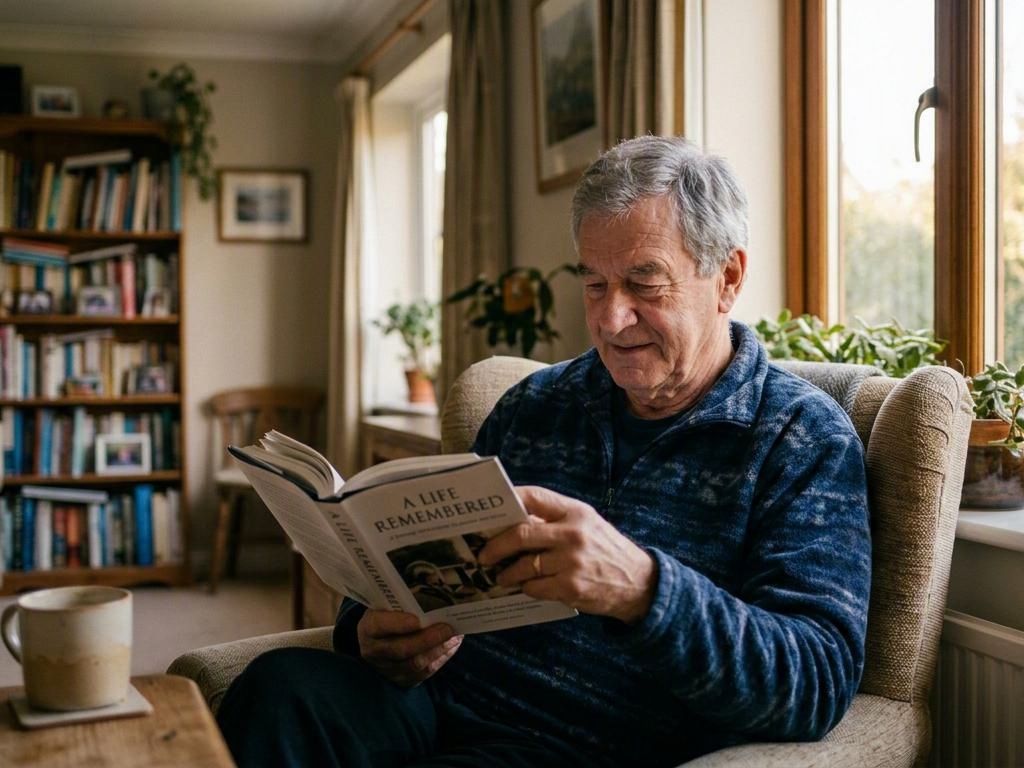
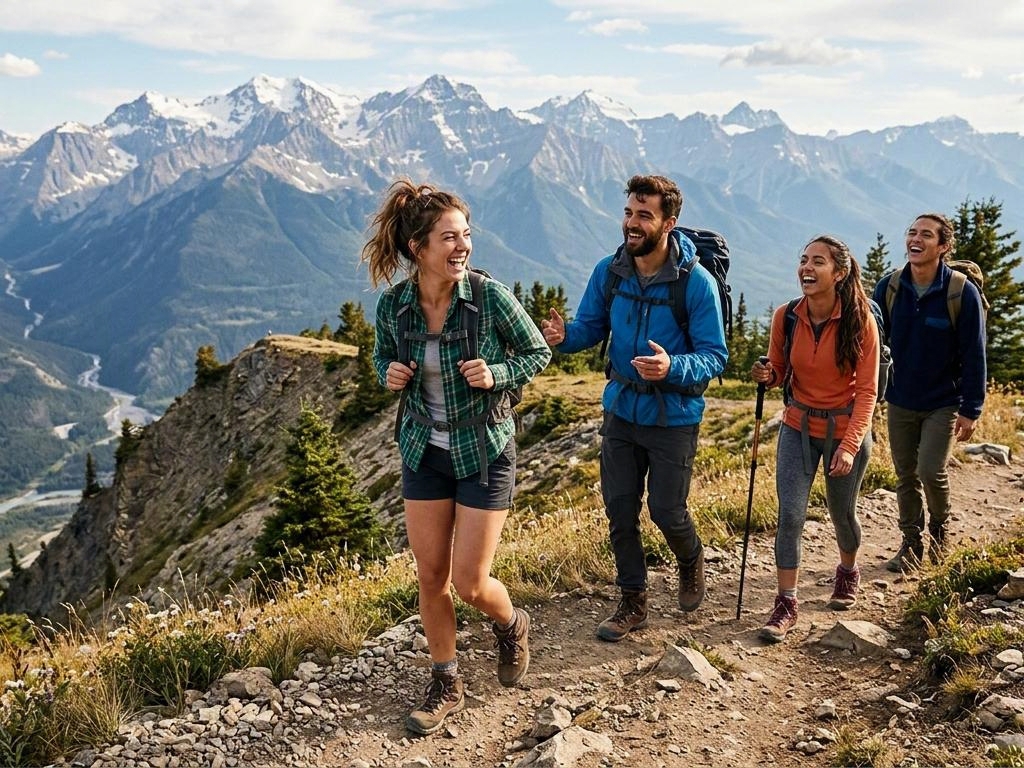
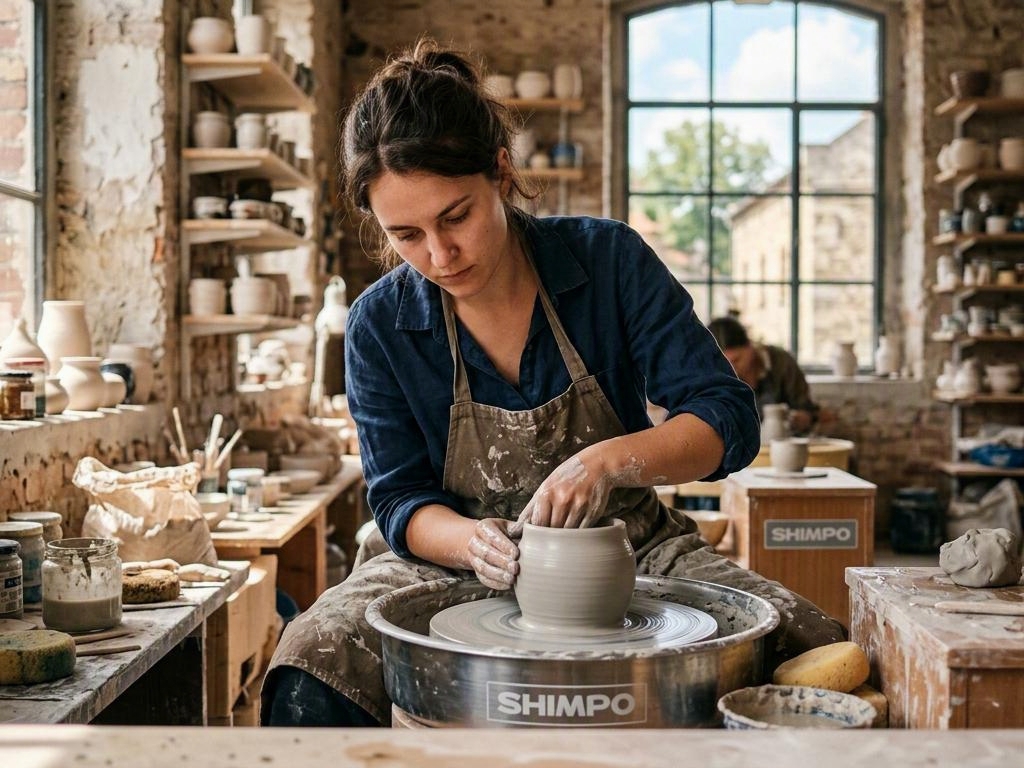
Picture three photos on the theme "different ways people spend downtime": Photo A shows someone reading alone in an armchair by a window. Photo B shows a small group of friends hiking together on a mountain trail. Photo C shows someone shaping clay at a pottery wheel, focused and alone.
Weak: "In photo A a person is reading. In photo B some people are walking on a mountain. In photo C a person is making pottery. They are all relaxing." (Equal, surface-level treatment of all three, no real comparison, no speculation.)
Strong: "I'll focus on the reading and the hiking, since they feel like the most interesting contrast. Both are genuinely restful, but in almost opposite ways — the reader has withdrawn entirely into solitude, whereas the hikers seem to be relaxing precisely through shared effort and company. What that suggests to me is that 'relaxation' isn't really one thing — it depends heavily on whether someone recharges through connection or through distance from other people."
- The strong answer explicitly narrows focus to two photos, briefly acknowledging why, rather than splitting attention three ways.
- It uses genuine C1-level contrast language ("in almost opposite ways", "whereas") and moves beyond description into interpretation.
- The closing line speculates about a deeper implication (what "relaxation" actually depends on) rather than stopping at surface description.
- The weak answer treats all three photos as an equal checklist and never interprets anything beyond what's visible.
Spot the weakness
Each clip is a real long-turn answer on a photo theme described in the transcript. Listen, then decide which of the four criteria is the answer's biggest problem.
Timed practice
This isn't machine-scored. Speak for the full minute, comparing two of the three photos below and finishing with the follow-up question. Then self-check your own performance and compare it with a strong and a weak model answer.
Compare two of these three photos, and say what each activity suggests about how the person likes to relax. Then answer the question below.
Do you think it's healthier to relax alone or with other people?
Complete the timed practice above to unlock the self-check and model answers.
Self-check
This self-check is a reflection tool, not a score. Speaking is assessed by a person against these four criteria across the whole test, not per answer.
Model answers
I'll focus on the reading and the hiking, since they feel like the most interesting contrast. Both are genuinely restful, but in almost opposite ways — the reader has withdrawn entirely into solitude, whereas the hikers seem to be relaxing precisely through shared effort and company. What that suggests to me is that relaxation isn't really one thing — it depends heavily on whether someone recharges through connection or through distance from other people. As for which is healthier, I'd actually say it depends on the person rather than the activity itself — someone who's naturally sociable might find solitude draining rather than restorative, and vice versa.
In photo A a person is reading a book. In photo B some people are walking in the mountains. In photo C a person is making something with clay. They all look relaxed. I think all these activities are good for relaxing.